
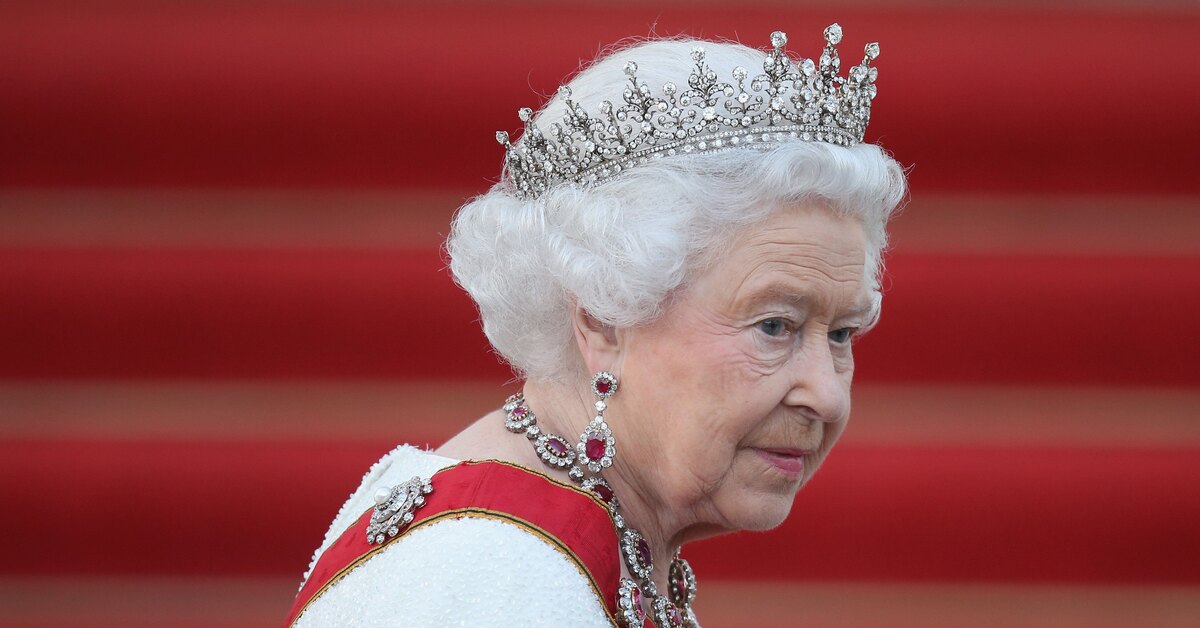
So who will inherit Her Majesty’s untold wealth?
Queen Elizabeth II passed away on September 8 at the age of 96. The head of the United Kingdom of Great Britain and Northern Ireland and 14 other Commonwealth countries, including Canada, went down in history as the British monarch who ruled the longest of all his predecessors (70 years). The Queen was a very rich woman. And although the rulers are not required to disclose information about their assets, something about the property of Elizabeth II is already known.
Even before Queen Elizabeth II passed away, it was clear that the British monarch would leave behind a huge fortune. How much do the experts estimate it? And which of the Queen’s children and grandchildren will be able to claim the inheritance?
What legacy did the Queen leave behind?
According to various sources, the personal fortune of Queen Elizabeth II can range from 400 to 600 million US dollars, in the form of assets accumulated over decades on the throne. In 2022, the Sunday Times published a list of the richest people in the world, in which it indicated that the Queen could own 420 million dollars. But the British edition of The Sun announced a cosmic sum of $ 3 billion of equity.
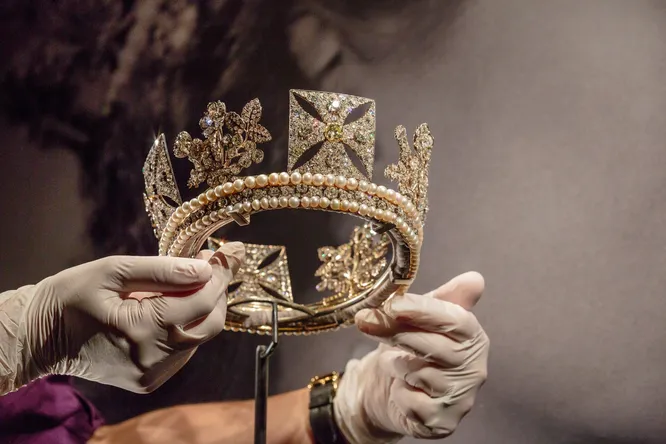
The Royal Family, of course, does not provide accurate data, as it is not obliged. It is known that Elizabeth II owned several palaces, a collection of exclusive diamond tiaras, some of historical significance, a piano made of pure gold and other luxury items. And, of course, millions in bank accounts. But the fact is that no analyst will dare to separate what belonged to the Queen from the property of the “Royal Firm”.
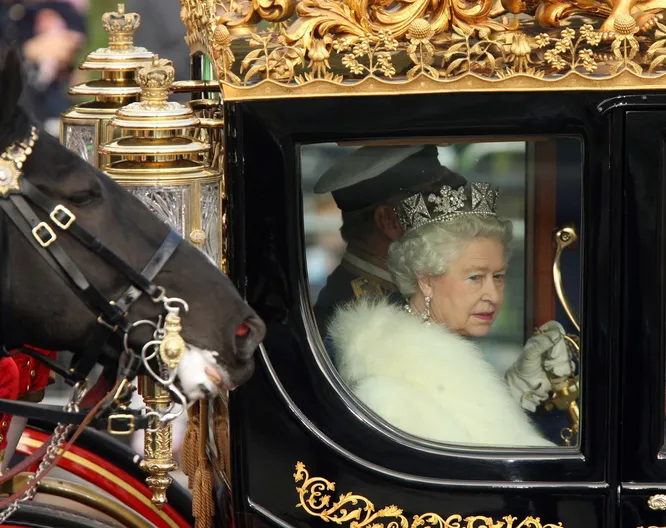
What is the “Royal Firm”?
The “Royal Firm” or simply The “Firm” is an empire worth $28 billion. According to Forbes, the legal entity Monarchy PLC owns a lot of expensive assets: Crown Estate – the totality of lands and possessions in the UK and abroad owned by the British state, where the monarch acts as a sole corporation – is estimated at $ 19.5 billion, Buckingham Palace – at $ 4.9 billion, the Duchy of Cornwall – at $ 1.3 billion, the Duchy of Lancaster – at $ 748 million, Kensington Palace – at $630 million, and the Crown Estate in Scotland is at $592 million. Of course, not all of these funds belong to the Royal Family. Some of them are owned by the British Treasury. That is, the Crown Estate technically belongs to the monarch only for the duration of his/her reign, but is neither private nor public property and is managed by an external council. However, part of the income, namely 25%, of the profit still goes to the accounts of members of the Royal Family. As Forbes reported, Queen Elizabeth II “earned” $551 million at Buckingham Palace in 2020, which means that she received at least 130 million of this amount to her account.
Personal assets of Queen Elizabeth II
Now let’s talk about what belonged to the Windsor heiress personally. These are investments in “British blue chips” – competent investments in shares of well-known companies, which usually carry relatively less risk than other stocks, an impressive collection of works of art and jewelry and personal real estate, including Sandringham Palace (a private estate of the Windsor dynasty, located in Norfolk), and the infamous Balmoral Castle.
The Inheritance of the Mother and Her Spouse
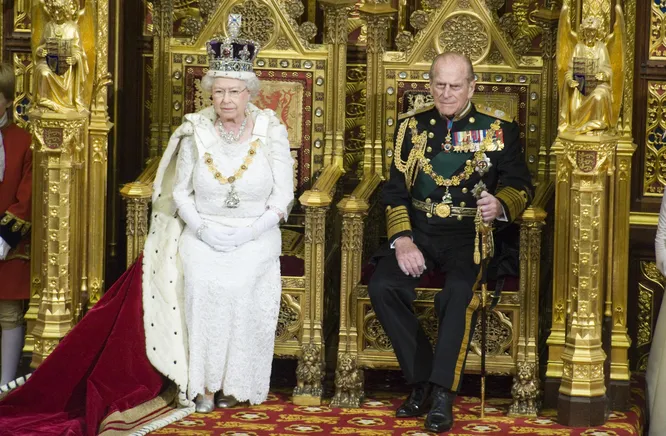
It is known that the Queen Mother left Elizabeth II about 70 million pounds in total with many valuable works of art. The monarch transferred the most important items from the inheritance to the Royal Collection, where they are kept in the “trust management of the nation”. According to the will, Elizabeth II inherited part of the estate of her late husband, Prince Philip. This is a fortune worth about 10 million pounds, including a collection of paintings by Edward Seago and a library of 3,000 books.
Stamp Collection
According to the Sunday Times, Queen Elizabeth II owned a rare collection of stamps of Great Britain and the Commonwealth countries, the value of which is estimated by experts at 100 million pounds.
How Queen Elizabeth II tried to hide her wealth
In February 2021, The Guardian published a scandalous report in which it told about Elizabeth II’s attempts to lobby for the adoption of a bill that would allow members of the Royal Family not to disclose data about their income, unless they wish it. Despite the loud hype in the press, the British Home Office hushed up the case. The spokesman of Buckingham Palace reported that “any claim that the sovereign can influence legislation is obviously a lie.”
So who will inherit Her Majesty’s untold wealth?
The disclosure of the monarch’s will can be expected no earlier than May 2023. And that is provided that Elizabeth II did not veto the public coverage of her last will, as was the case with Prince Philip, whose will, according to his wish, will be made public only 90 years after his death.
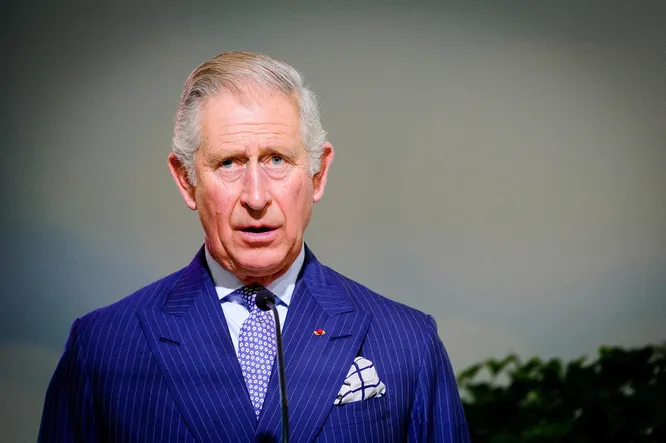
As analysts suggest, both the crown itself and most of the Queen’s personal property will go to Prince Charles in accordance with royal protocol. Unlike other heirs, King Charles III is not obliged to pay inheritance tax in accordance with a special article of the law. Other children of the monarch and other heirs will have to pay 40% of the value of the inheritance received.